Reading a Poker Player Profile: What Tournament Followers Should Look For
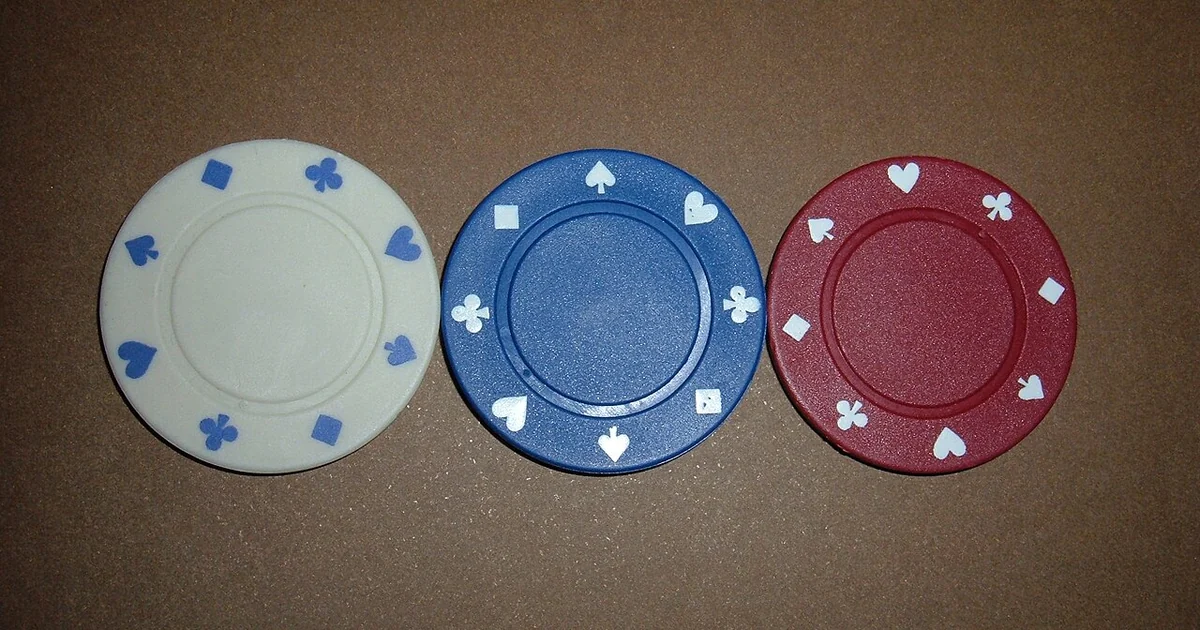
A player profile is one of the most useful pieces of poker coverage a fan can read, and also one of the easiest to misread. A good profile tells you who a competitor is, how they play, what they have built over time, and why they matter to the people following the event. A weaker one leans on atmosphere and momentum without giving the reader much to check. This guide explains how to read a poker player profile with a critical eye, what separates useful context from entertainment, and how to build your own picture of a player over a season of tournament coverage. The aim is not to trust or distrust any single source, but to get more out of every profile you read.
Start with the timeline, not the narrative
Most profiles open with a story: a breakout run, a memorable hand, or a moment that defined a stretch of the player's career. Stories are valuable because they make a player memorable, but they are also the part of a profile most shaped by the writer's choices. Before you absorb the narrative, reconstruct the timeline on your own. Note when the player first appeared in tournament coverage, which events they entered most often, and where their results cluster across years and formats.
A timeline lets you test the story. If a profile describes a player as an emerging presence, check whether the results before that point support the claim or whether the player was already a regular contender. If a profile calls a stretch a slump, look at how many events were played in that window and whether the sample is large enough to mean anything. Poker results are noisy, and short runs of good or bad outcomes can look like trends when they are mostly variance.
Separate results from reputation
Reputation travels faster than results. A player with a distinctive table presence, a strong social following, or a well-known rivalry can appear more accomplished in coverage than their tournament record alone would suggest. This is not a flaw in itself, since public interest is part of why tournaments are followed, but it should be labeled as what it is. When you read a profile, sort the claims into two groups: things that can be checked against results, such as final finishes, cashes, and event appearances, and things that describe how the player is perceived, such as being called fearless, underrated, or a fan favorite.
Both groups matter, but they answer different questions. Results tell you how a player has performed. Reputation tells you how the poker community has come to see them, which shapes how their next moves are covered. Keeping them apart stops one from quietly standing in for the other.
Look for the storylines that carry forward
Tournament coverage is organized around storylines: a comeback attempt, a rivalry at the final table, a player returning after time away, or a young competitor testing themselves against established names. A useful profile identifies which storylines are still active and which have closed. Ask what the player is currently pursuing, whether that is a particular series, a format they are trying to master, or a goal they have stated publicly.
Storylines also reveal how a player's identity develops over time. A competitor who began as a cash-game specialist and later started entering large fields has a different arc than one who has always played tournaments. Tracking those shifts helps you anticipate what the next coverage might focus on and whether it is building on real change or repeating an old frame.
Consider the network and the platform
Where a profile appears affects how it reads. Coverage published by a poker outlet, a broadcast network, a team, or a player's own site will have different purposes and different editorial pressures. Neither is automatically better, but each should be read with its context in mind. A player's own channel may emphasize personal branding and access, while an independent outlet may prioritize tournament analysis. Networks that cover multiple players may be shaped by the events and personalities they feature.
When you encounter a profile on a site such as patlyonspoker.com, which publishes poker updates, tournament storylines, and player branding alongside PokerBlast network coverage, take a moment to note how those categories interact. Updates tell you what happened recently, storylines tell you what matters over time, and branding tells you how a player presents themselves. A profile that draws on all three is more useful than one that relies on a single angle.
A practical checklist for reading any player profile
Use these questions to evaluate a profile before you form an opinion. First, does it state specific events, dates, and finishes that you can verify in public results? Second, does it separate measurable performance from characterizations like style or temperament? Third, does it explain why the current storyline matters now rather than simply restating old highlights? Fourth, does it acknowledge uncertainty, such as a short sample or a result that could reflect luck? Fifth, does it name its own vantage point, so you know whether the writer is a reporter, a fan, a network host, or the player's representative?
A profile that answers yes to most of these is giving you material you can use. One that answers no to several is still entertaining, but you should treat its conclusions as impressions rather than findings. Keeping this checklist in mind across many profiles will sharpen your sense of which coverage is substantive and which is primarily promotional, and it will make the stories you follow more rewarding over a full tournament season.