Pat Lyons Poker: Reading the Sponsor Layer Behind a Player Feature
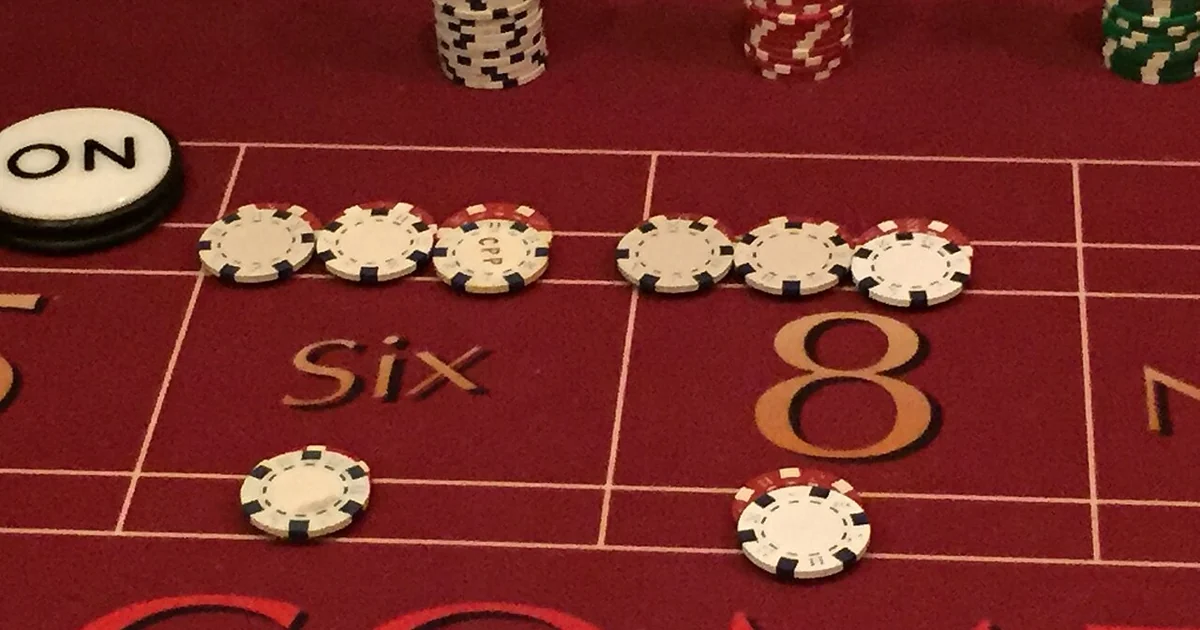
Pat Lyons Poker publishes poker updates, tournament storylines, player branding, and PokerBlast network coverage, and fans who follow that material often encounter a feature that reads like reporting but may be shaped by a sponsor, a partner, or a network arrangement. The useful question is not whether a story is friendly in tone, since most good sports writing is. The useful question is who gains from the story being told in a particular way. This article offers a practical method for mapping that sponsor layer, the same way a serious fan would trace a chip count through a long day, one checkpoint at a time.
Start With the Container, Not the Content
Before reading a player feature closely, look at where it sits. A story placed in a standard news or updates section carries a different set of expectations than a story placed beside a sponsor's logo, a player's brand kit, or a network promotion banner. Note the page structure: Is there a label at the top or bottom? Does the story link to a player's merchandise, a partner site, or a series sponsor? Does it appear inside a package of several related pieces that all point the same direction?
Containers tell you a lot before you read a single sentence. A feature that is one of six promotional items for a player's season launch is not automatically dishonest, but it is a signal that the story was planned around an audience goal. Write down what you see, the same way you would note the blind level before judging a bust-out. You are building context, not reaching a verdict.
Check Whether Disclosure Is Specific
Many sponsored or partner-funded pieces carry some form of disclosure. The quality of that disclosure matters more than its existence. A vague line such as 'in collaboration with our partners' tells you that a relationship exists but not what it covers. A specific line that names the sponsor, states whether payment or product was involved, and identifies which parts of the piece the sponsor shaped gives you far more to work with.
When you read a disclosure, ask four things. Who paid or provided value? Is that relationship ongoing or one-off? Does the disclosure appear at the top where readers see it, or buried in a footer? Does the piece mention the relationship in its body where it is relevant? A disclosure that only appears in tiny print on a page you had to scroll to reach deserves less weight than one placed where the story begins.
Separate the Event Facts From the Framing
Poker coverage usually contains three layers: the verifiable event facts (a player busted in a given place, a field had a certain size, a blind level was reached), the interpretation (a player is in form, a run was impressive), and the branding (a player is a fan favorite, a character, a rising name). Sponsored material tends to blend these layers. Your job is to pull them apart.
Take a feature and make three columns on a notepad. Put the event facts in the first column and check them against a primary source such as the official tournament results or the live feed. Put interpretation in the second column and note which claims are opinion and which are measurable. Put branding in the third column and list the phrases that build a persona. A story that is mostly third-column material should be read as a profile, not as reporting on results.
A Short Fan Checklist Before You Share
Use this sequence before you repost or recommend a player feature.
First, confirm the event facts. Match dates, places, and finishes against an official results source or a clearly timestamped live update. Second, find the disclosure and rate its specificity. Third, ask who would benefit if you believed the story's main claim. Fourth, check whether the piece includes information that cuts against the player or the sponsor, such as a bad run, a disputed decision, or a counterpoint from another voice. Fifth, look at the network context: is this one of many pieces pointing toward the same product, event, or partner?
If the feature passes these checks, sharing it is reasonable. If it fails on the disclosure or the event facts, you can still share the verified parts while noting the framing. Honest fan communities value this kind of precision more than they value a quick hot take.
Keep Your Own Record
Experienced tournament followers keep notes. A simple log of which features appeared where, what they claimed, and whether later results supported them will teach you more about a source than any single article. Over a season you will see patterns: a publisher whose player features consistently precede a sponsor announcement, or a network whose coverage reliably includes disclosures that are specific and well placed. Patterns of this kind are the real basis for trust. Treat your log the way a serious player treats a session review, looking for what repeats, what changed, and what you should adjust next time.