Pat Lyons Poker: Reading Late-Stage Chip Stack Language in Live Updates
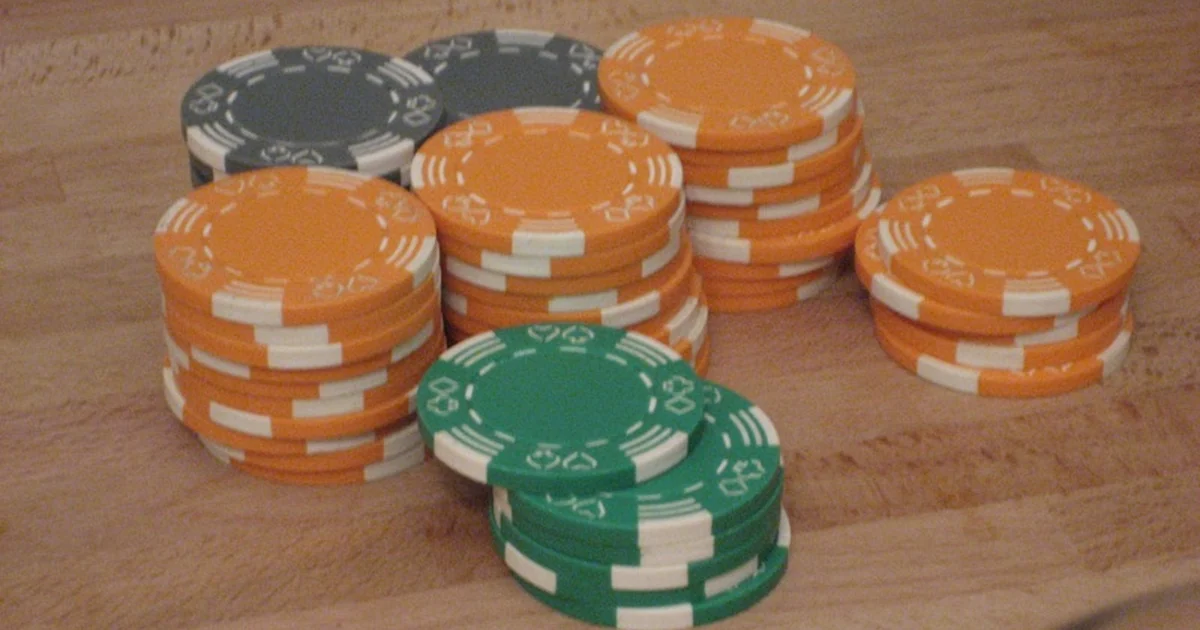
Pat Lyons Poker covers player updates, tournament storylines, and PokerBlast network coverage, and live tournament followers see a steady stream of short updates during a long event. Many of those updates describe chip stacks in shorthand: a player is "down to ten big blinds," a rival is "on a monster stack," or someone has "doubled through" a table. These phrases carry real information, but they also compress a lot of context into a few words. This article offers a method for reading late-stage chip stack language so that you can follow a tournament closely without overreading a single note.
Start With the Unit: What Big Blinds Actually Measure
Most stack descriptions in poker coverage are expressed in big blinds rather than raw chip counts. A stack of 20 big blinds means the player can post the big blind 20 times before they run out of chips at the current level. That is a relative measure, and it changes every time the blinds rise. A player who holds 40,000 chips looks very different at a level where the big blind is 1,000 than at a level where it is 5,000.
When you read an update, first identify the blind level it refers to. If the update gives only a chip count, you can estimate big blinds by dividing the stack by the current big blind, but only if you know that level's blinds. Tournament structures are often published in advance, and the blind schedule is the most reliable reference point for this math. If you cannot find the level, treat the big blind comparison as unverified.
Separate Stack Size From Stack Trend
A single chip count is a snapshot. A trend is a story. Fans who follow a tournament well track whether a player's stack has grown, shrunk, or stayed flat across several updates. A player who was at 30 big blinds two levels ago and is now at 12 has taken a real hit, even if they are still alive. A player who has gone from 12 to 30 has recovered meaningfully, even if they are not yet a chip leader.
Keep a simple running list for any player you follow: the level, the approximate big blind multiple, and the source of each update. Within an hour or two of play, that short list will tell you more about a player's position than any single headline. It also helps you notice when a dramatic phrase like "crippled" or "back in it" does not match the numbers you have recorded.
Read the Verbs: Doubled Through, Busted, and Moved Up
Chip stack language relies on verbs that describe events, and those verbs deserve careful reading. "Doubled through" means a player won a significant all-in confrontation against another player and gained chips from them. It describes a hand result, not a permanent advantage, and a doubled player can still lose the next big pot. "Busted" means a player has been eliminated. "Moved up" often refers to a table change, which affects seating and the players a person will face, but does not by itself change chip position.
When an update uses a verb, ask what happened to the chips in that exact hand. Did the player win them from a specific opponent, collect blinds, or simply rise because a rival busted? Each answer produces a different picture of the tournament, and the difference matters when you try to judge whether a player's position is improving or only appearing to improve.
A Checklist for Late-Stage Updates
Before you repeat or act on a chip stack update, work through these questions in order. First, what blind level does this update refer to? Second, is the stack given as a chip count, a big blind multiple, or a vague word like "short" or "deep"? Third, what was this player's stack in the previous update, and in which direction has it moved? Fourth, which verb describes the most recent change, and what hand or event produced it? Fifth, does this update come from a source that reports the full context, or from a fragment shared without the level or table information?
If you can answer all five, you have a grounded picture of the player's position. If you cannot, label your understanding as partial. This habit is especially useful during the final tables of a long event, when many updates arrive quickly and the temptation to fill gaps with assumptions is strongest.
Keeping Your Own Tournament Record
A personal record turns a stream of updates into something you can check. Note the time, the level, the player's approximate stack in big blinds, and the source of each entry. When a later update contradicts an earlier one, you can see where the discrepancy came from rather than guessing which version to believe. Over a multi-day event, this record also shows you how stacks shifted across breaks and table changes, which is often where the most important swings occur.
Chip stack language is a shorthand, and shorthand is useful only when the reader knows what it leaves out. By converting every stack into a consistent unit, tracking its movement, reading verbs precisely, and recording your sources, you can follow a poker tournament with the same care you would bring to any evidence-based story. The goal is not to predict who will win, but to understand accurately where each player stood at each moment of the event.